

Armstrong Browning Library's 75th Anniversary Exhibit
In celebration of Armstrong Browning Library's 75th anniversary, we've staged a major exhibit in Moody Memorial Library. Featuring artifacts, photos, costumes, and more, the exhibit traces the ABL's history from its initial fundraising and celebrity boosters to the construction of one of America's most beautiful buildings and on to the scholarship and research conducted within its walls.
On exhibit August - December, 2026
Explore the Exhibit
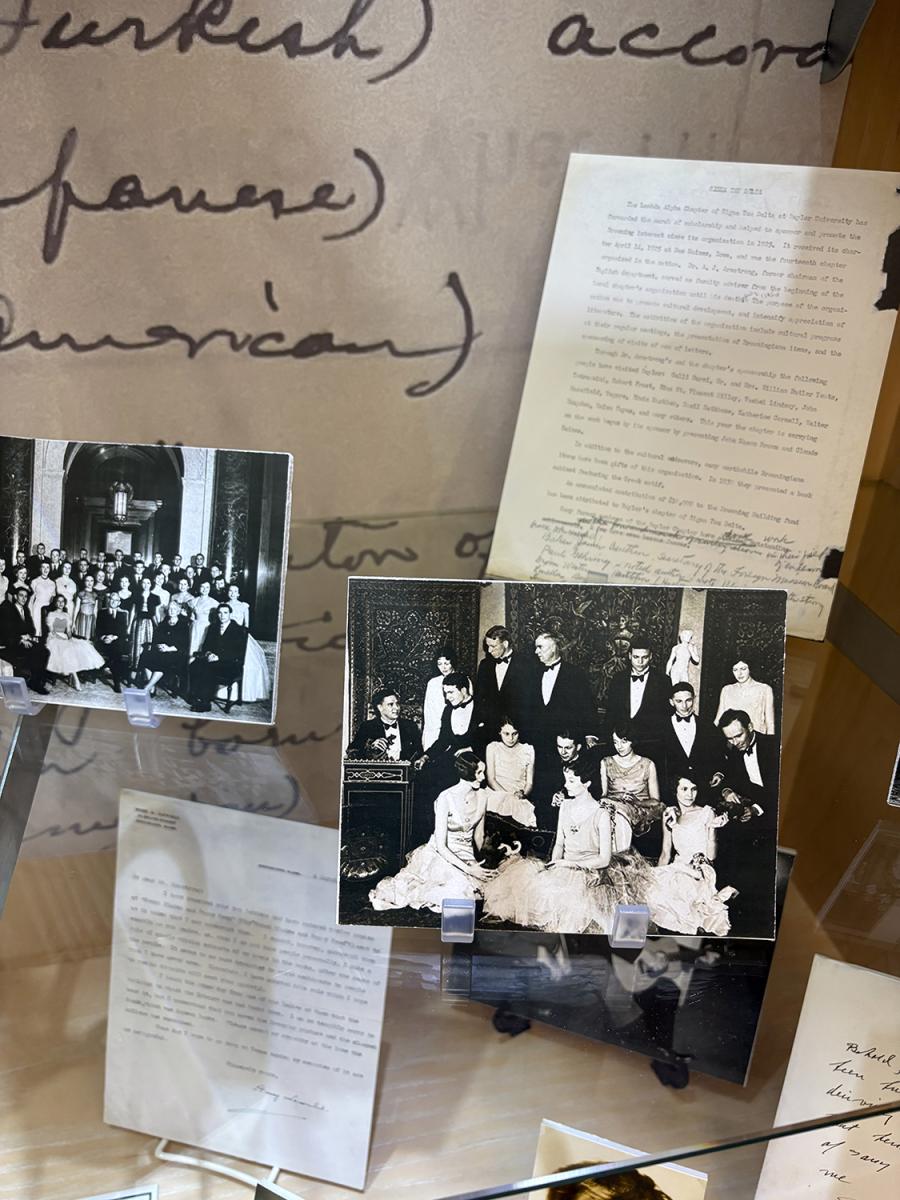
Dr. A. J. Armstrong and his wife, Mary Maxwell Armstrong, devoted themselves to raising funds to expand the Browning Collection and for the construction of the Armstrong Browning Library. Through their vision, energy, and persistence, Baylor University and Waco became nationally recognized centers for literature, learning, and community.
Between 1908 and 1957, the Armstrongs brought more than 550 distinguished writers, poets, lecturers, musicians, and performers from around the world to Waco to raise funds for these efforts. Through extensive correspondence with booking agents and personal appeals to prominent figures, Baylor became a destination for celebrated authors and poets.
Through this correspondence, Dr. Armstrong cultivated friendships with many of the era’s leading literary figures. Among the notable guests he welcomed to campus were Robert Frost, W. B. Yeats, Amy Lowell, Carl Sandburg, Vachel Lindsay, Sherwood Anderson, Edna St. Vincent Millay, and Marian Anderson. Baylor audiences also enjoyed appearances by presidents, renowned lecturers, opera stars, and theatrical companies.
Sigma Tau Delta, the English honor society founded by Dr. Armstrong in 1925, played a vital role in hosting these distinguished visitors and supporting fundraising efforts. Together, the Armstrongs and their collaborators created a legacy of literary excellence that continues to be celebrated today.
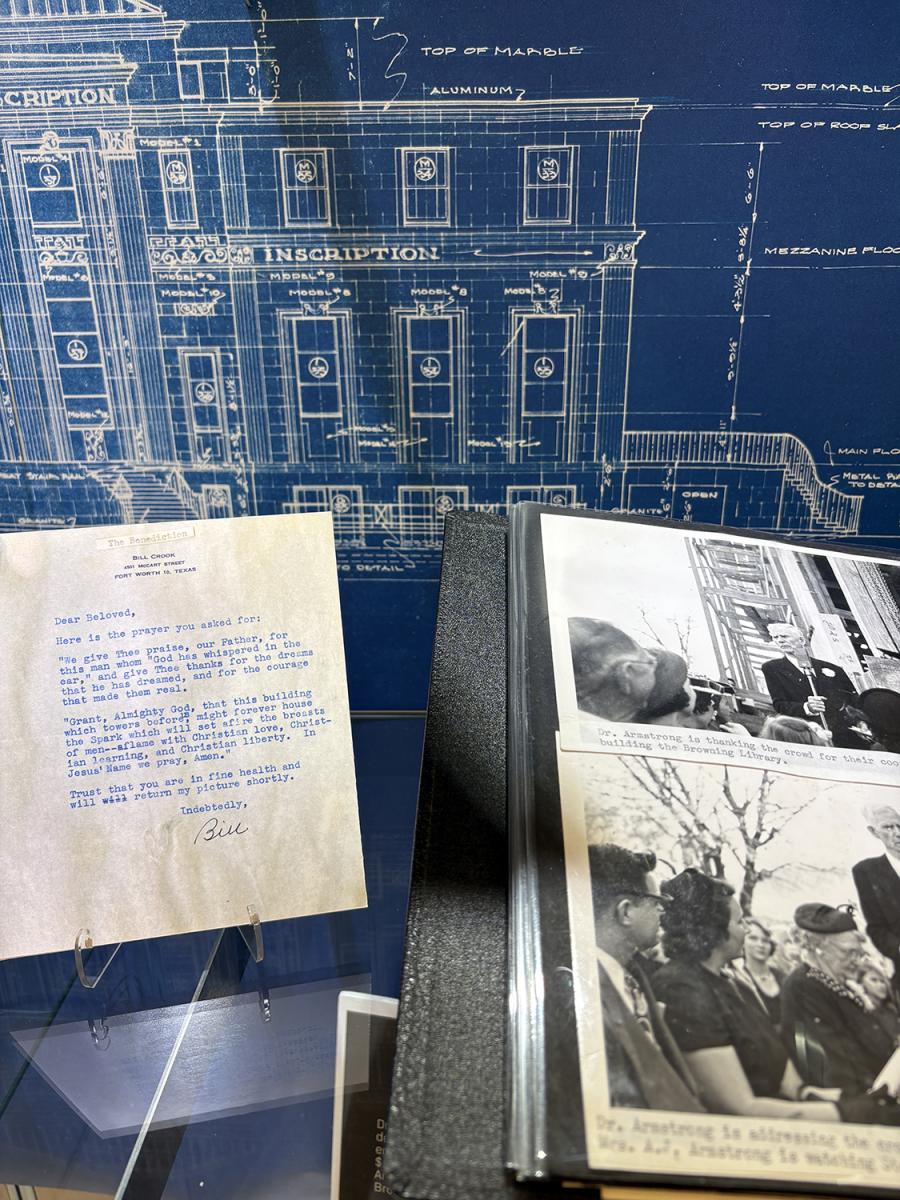
Dr. A. J. Armstrong, founder of the Browning Collection, devoted over forty years to gathering inspiration for what he envisioned as “the most beautiful building in Texas.” With a $100,000 challenge from Baylor President Pat Neff, Armstrong raised $1.75 million for the construction of the Browning Library.
Groundbreaking for the Library took place on May 7, 1948, followed by the cornerstone ceremony on February 25, 1950. The building was officially dedicated during a three-day celebration from December 1 to 3, 1951, marking the culmination of Armstrong’s vision and years of dedicated fundraising and planning.
The grand three-story Italian Renaissance building features Indiana limestone walls, a granite terrace, and sixty-two stained glass windows. Interior highlights include marble columns, black walnut paneling, intricate ceilings, and a terrazzo floor inlaid with bells and pomegranates, a theme repeated throughout the building. The widely recognized bronze entry doors by Robert Weinman display ten bas-relief panels inspired by Robert Browning’s poetry.
Designed by Eggers and Higgins of New York, and under the direction of chief architect and engineer Wyatt C. Hedrick, the S. B. Swigert Construction Company completed the project in three and a half years, resulting in one of Baylor’s most remarkable architectural treasures, and a testament to Armstrong’s legacy at Baylor.
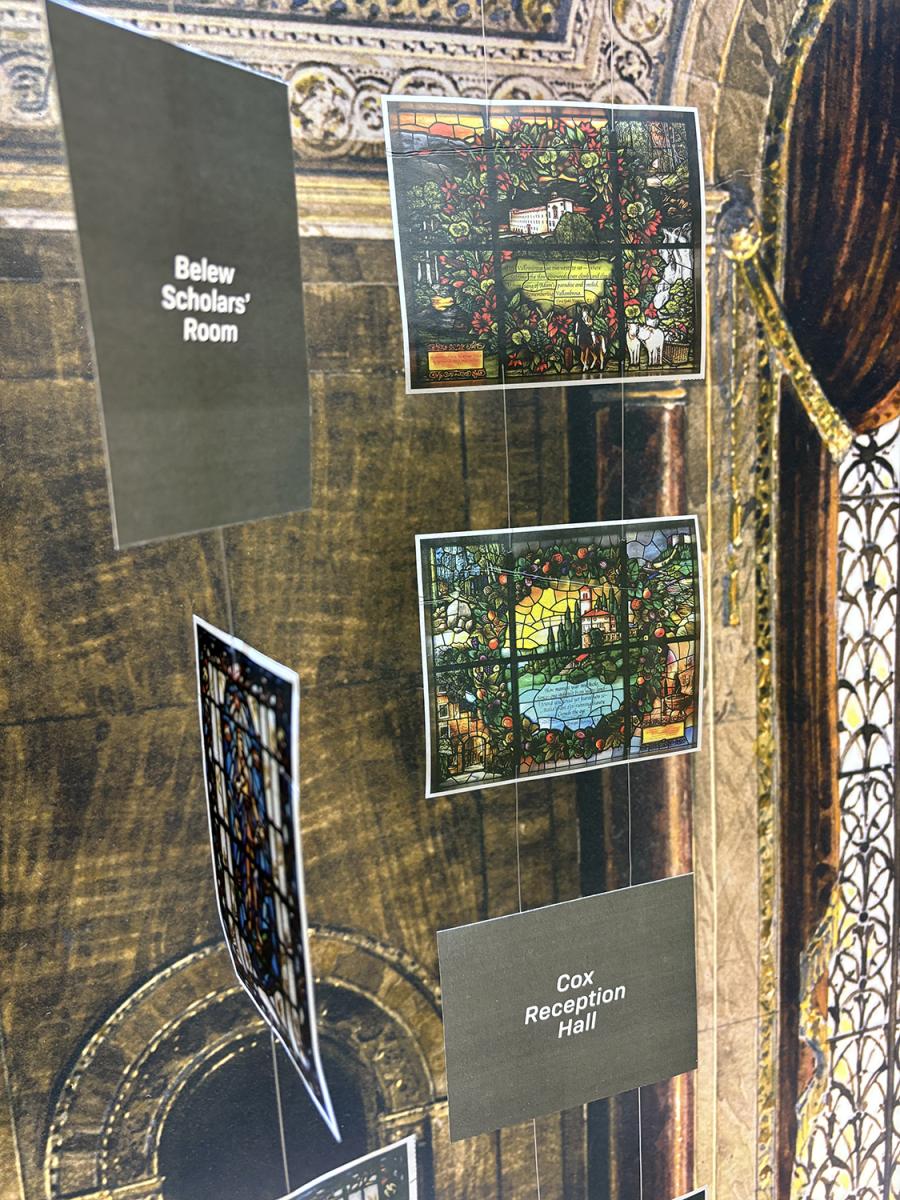
One of the most remarkable aspects of the Armstrong Browning Library building is its sixty-two stained glass windows spread across all three floors of the building. Forty-seven of the windows represent Robert Browning's poetry. Eight are based on Elizabeth Barrett Browning's beloved Sonnets from the Portuguese. The four newest windows depict Italian locations that were significant to the Brownings over the course of their married life. Three striking cathedral windows in the McLean Foyer of Meditation transmit a feeling of sunrise or sunset as the shades of glass vary from deep amber to pale lavender.
The three oldest windows in the building, dating to 1924 and originally installed in the Browning Room of Carroll Library, were designed by Haskins Glass Studio, Rochester, New York. The majority of the windows, commissioned in the late 1940s and early 1950s as the main floor of the building was being planned and constructed, were created by Charles J. Connick Associates, Inc., Boston, Massachusetts, and by Jacoby Art Glass Company, Saint Louis, Missouri. Eight more Connick windows were added in the 1960s and 1970s.
In the 1980s, five window were filled with stained glass from Charles J. Connick Associates, Inc., Lynn Hovey Studio, Inc., Cambridge, Massachusetts, and L. L. Sams Stained Glass, Waco, Texas. The final six windows, installed between 2000 and 2007, were created by Willet Hauser Architectural Glass, Philadelphia, Pennsylvania.
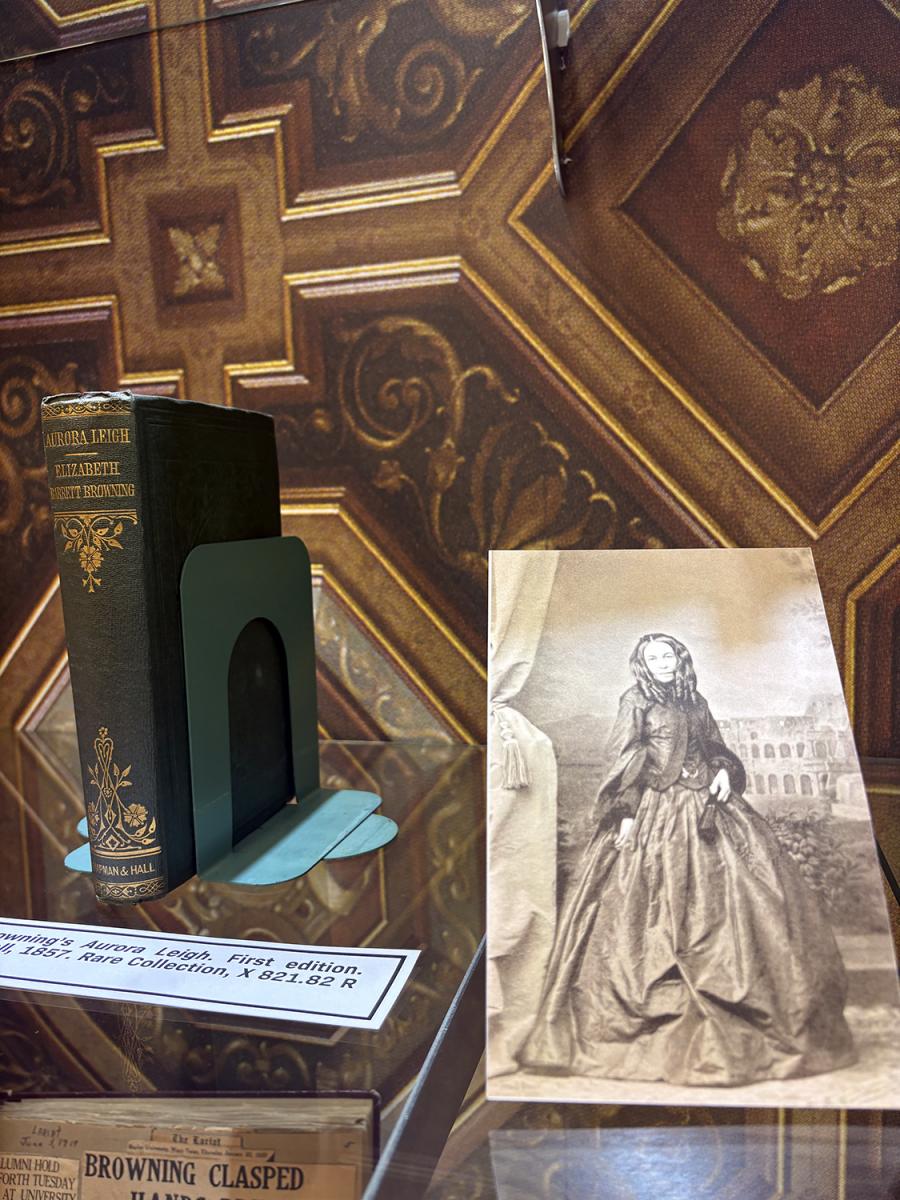
The depth and variety of the resources and collections in the Armstrong Browning Library are not easily expressed in a few phrases. In round numbers, the Library houses more than 27,000 books, 11,000 letters or manuscripts, 1500 music scores, and 6,400 bound newspapers and magazines.
The Library's greatest strength is in its materials focusing on the lives and works of Robert and Elizabeth Barrett Browning, including original letters and manuscripts, books from the poets' library, all of the first and many successive editions of their poetry, secondary works and criticisms, their poetry set to music, portraits, and memorabilia too numerous to list. The Armstrong Browning Library has become the world's largest collection of materials related to the Brownings.
Building on the nucleus of books given to Baylor University by A.J. Armstrong in 1918, the Armstrong Browning Library continues to acquire significant holdings for all parts of its collections.
The Armstrong Browning Library books and other printed materials holdings offer an invaluable resource for research on Robert and Elizabeth Barrett Browning, the literature of the nineteenth century, and the Victorian period in general.
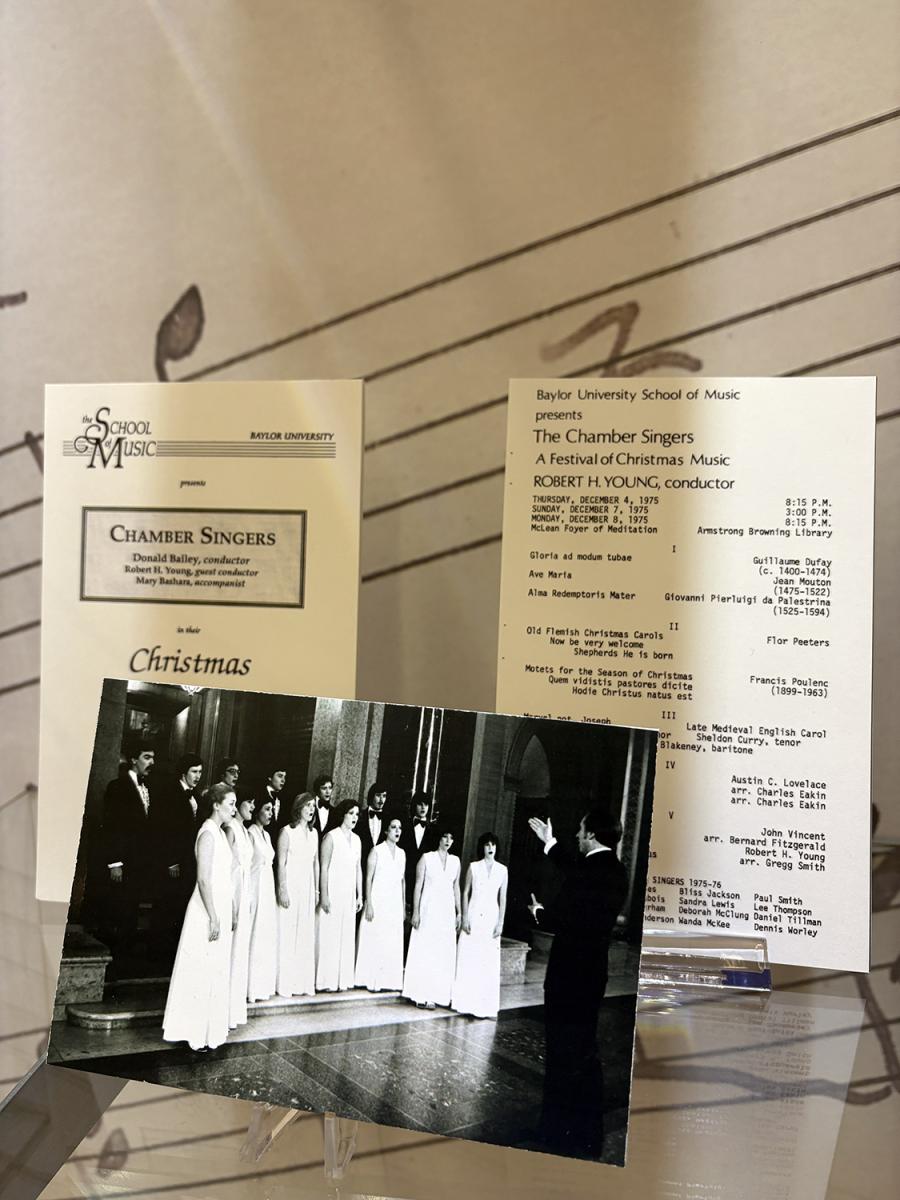
For seventy-five years, the Armstrong Browning Library & Museum has been more than a home to Browning treasures. It has served as a beloved gathering place for scholarship, music, and celebrations. Each year, annual events including Browning Day, Benefactors Day, and the Fano Club Meetings draw scholars, students, and supporters filling the Library's rooms with conversation and community.
The building serves as a cornerstone of scholarly and cultural engagement, hosting numerous university events including the Keston Lecture and annual Beall Poetry Festival. Its architecture and romantic atmosphere have provided the setting for hundreds of weddings, marriage proposals, and other milestone celebrations.
Music holds a special place in its history. The halls have echoed with the voices of a cappella choirs, the melodies of string and brass ensembles, and performances by the Baylor School of Music, as well as beloved Christmas concerts performed by the renowned Baylor Chamber Singers.
Today, the Armstrong Browning Library & Museum continues to inspire discovery and connection, ensuring that the Brownings' legacy remains a living source of inspiration for a new generation.
In 1848, Robert Browning and Elizabeth Barrett Browning traveled to Fano, Italy, where they saw a painting in a church called The Guardian Angel by the seventh-century Italian artist known as Guercino. The experience inspired Robert Browning to write a poem that he titled “The Guardian Angel: A Picture at Fano.”
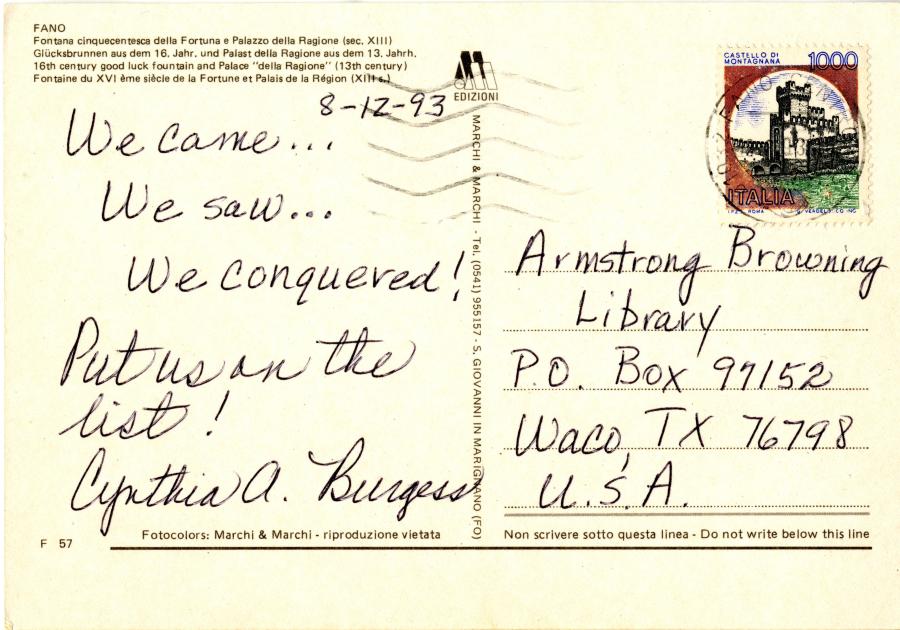
Several decades later in 1912 William Lyon Phelps, a Browning scholar at Yale University, and his wife Annabel, traveled to Fano to see the painting that had inspired Browning’s poem and established the Fano Club in hopes of encouraging other Browning enthusiasts to see the painting as well. Following Phelp’s death in 1943, administration of the Fano Club was passed to A. J. Armstrong and has been maintained by the Armstrong Browning Library ever since.
Today, there are over 200 members of the Fano Club around the world. To become a member, one must do the following:
• Travel to Fano, Italy
• See The Guardian Angel (L'Angelo Custode) painting now in the Civic Museum
• Send a postcard, postmarked from Fano, back to the Armstrong Browning Library, requesting membership in the club
Each year around May 7, which is Robert Browning’s birthday, members of this exclusive club are invited to the Armstrong Browning Library for a dinner and meeting. Members share stories about seeing the painting and the youngest member present reads Browning’s poem to the group.
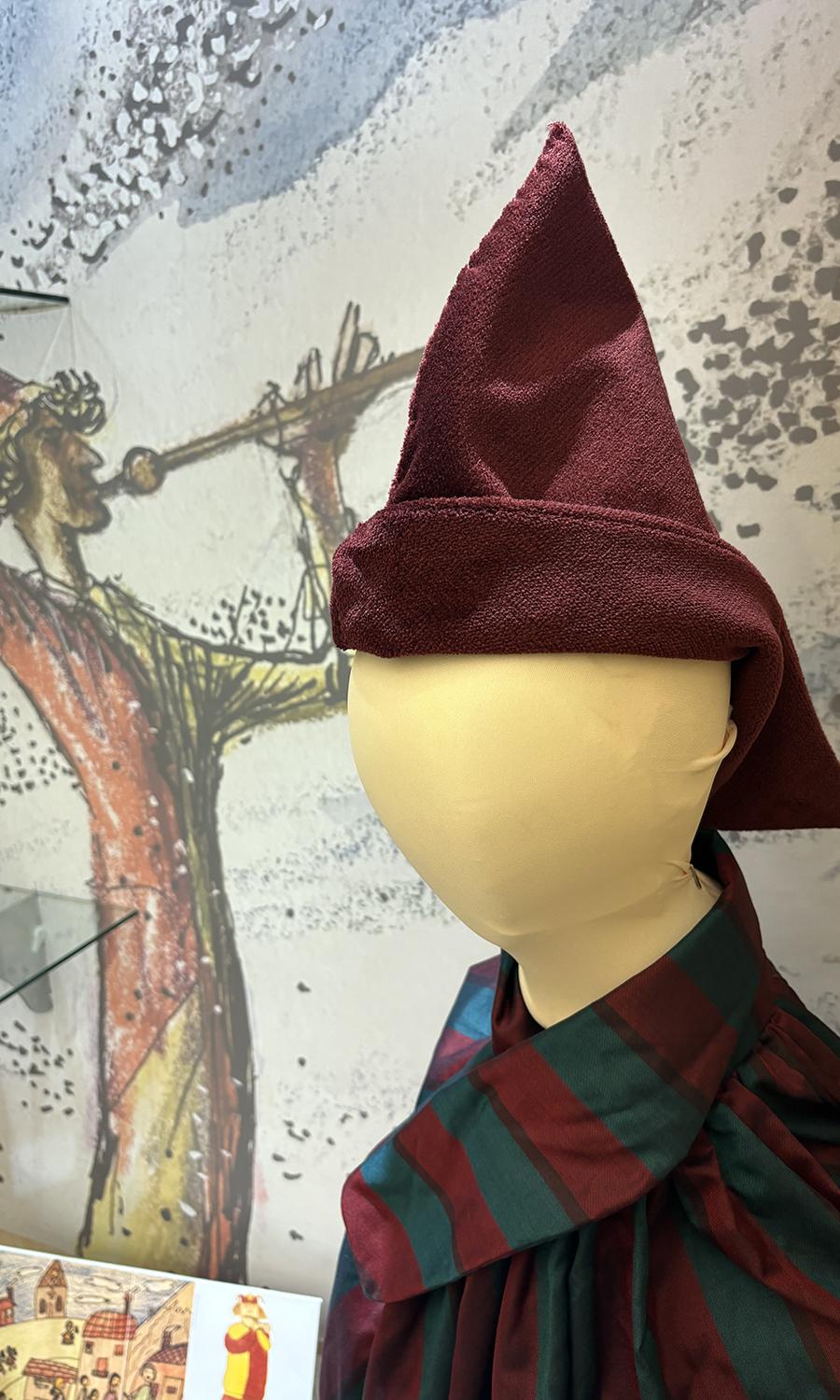
Rediscover The Pied Piper of Hamelin at the Armstrong Browning Library and Museum. During the late twentieth century, thousands of Central Texas schoolchildren visited the library through its popular Pied Piper Tours, which featured exhibits, a slide presentation, and a magnificent stained-glass window inspired by Browning's treasured poem.
The Pied Piper stained-glass window was unveiled alongside a grand pageant involving more than 400 Waco schoolchildren. Through costumed performances and music, the students brought Browning's poem to life. Originally installed in the Browning Room of Carroll Library, the window is now displayed in the Leddy-Jones Research Hall.
Browning's poem has inspired generations through special events and performances. From the 1984 Festival of the Pied Piper, commemorating the 700th anniversary of the Hamelin legend, to a 2026 Browning Day performance of the song The Pied Piper of Hamelin by the Baylor School of Music students, these celebrations demonstrate the work's lasting appeal.
Written in 1842 for the son of Browning's friend, actor William Macready, the poem remains one of the poet's most cherished works. Today, visitors can explore letters, artwork, and the celebrated stained-glass window, experiencing a beloved part of Baylor University's and Waco's shared history.
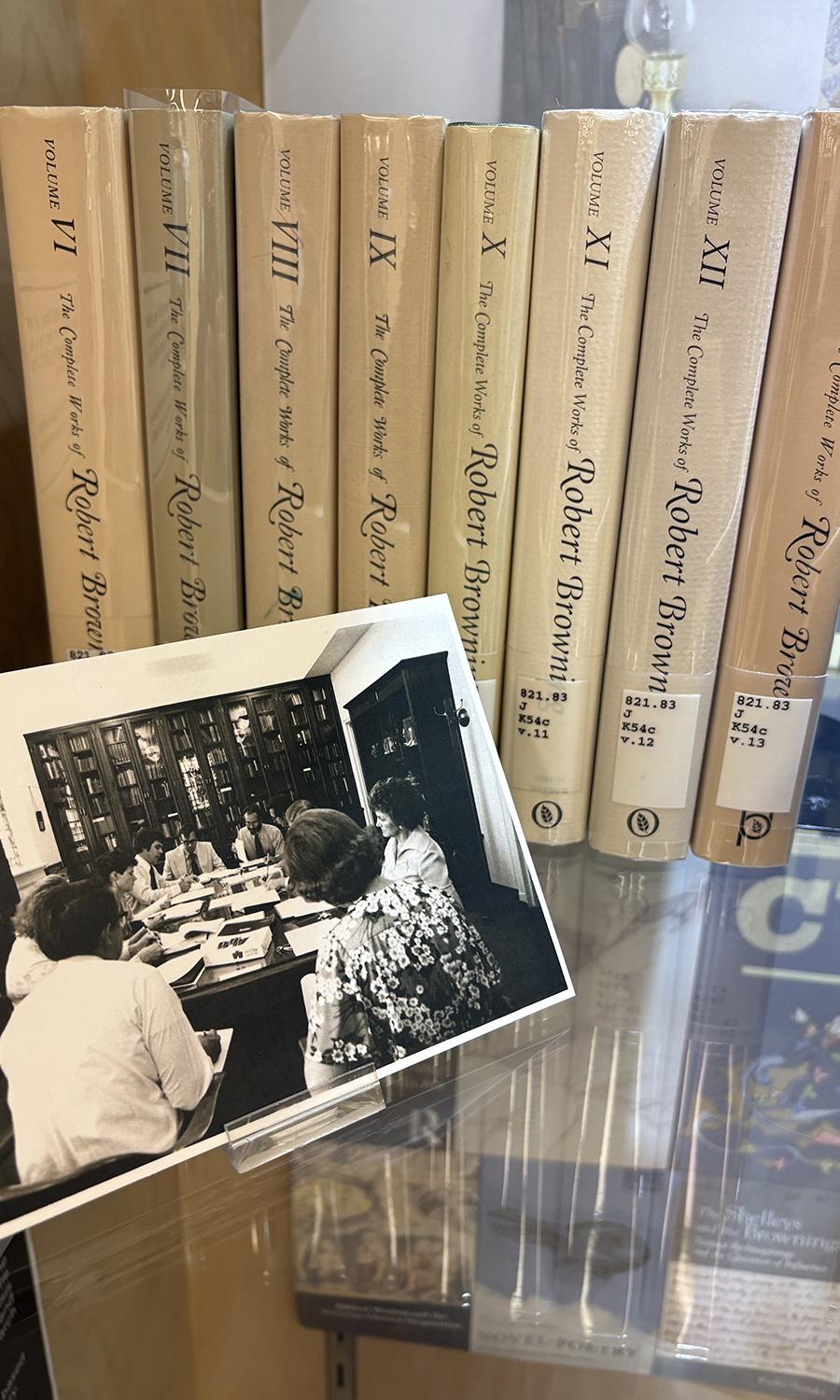
The mission of the Armstrong Browning Library & Museum is to serve as a library of record of research materials relating to Robert Browning and Elizabeth Barrett Browning; to acquire, preserve, and provide access to these materials and its other collections; and to promote opportunities for the study, appreciation, and understanding of the Brownings and the wider field of nineteenth-century literature and culture.
Open for research by Baylor faculty, staff, and students, the general public, and scholars from around the world, the Library’s collections have been and continue to be the basis for numerous scholarly and creative works. Students and scholars are welcome and encouraged to conduct research using the Library’s extensive collections.